

Conventional wisdom says that the fastest-moving line is a single “pooled” line. We have long subscribed to this mathematical approach with Models A and B in Module D, Waiting Line Models in our OM text. But a new study, reported in The Wall Street Journal (Oct, 26, 2020), just found that splitting the pool into individual lines made them move faster.
The researchers looked at patient wait times and length of stay in the ER of a California hospital. They found that when the hospital switched from a pooled line to a dedicated-queue system in which patients were assigned to a specific doctor, average wait times decreased 9% ( by 39 minutes) and lengths of stay decreased 17%.
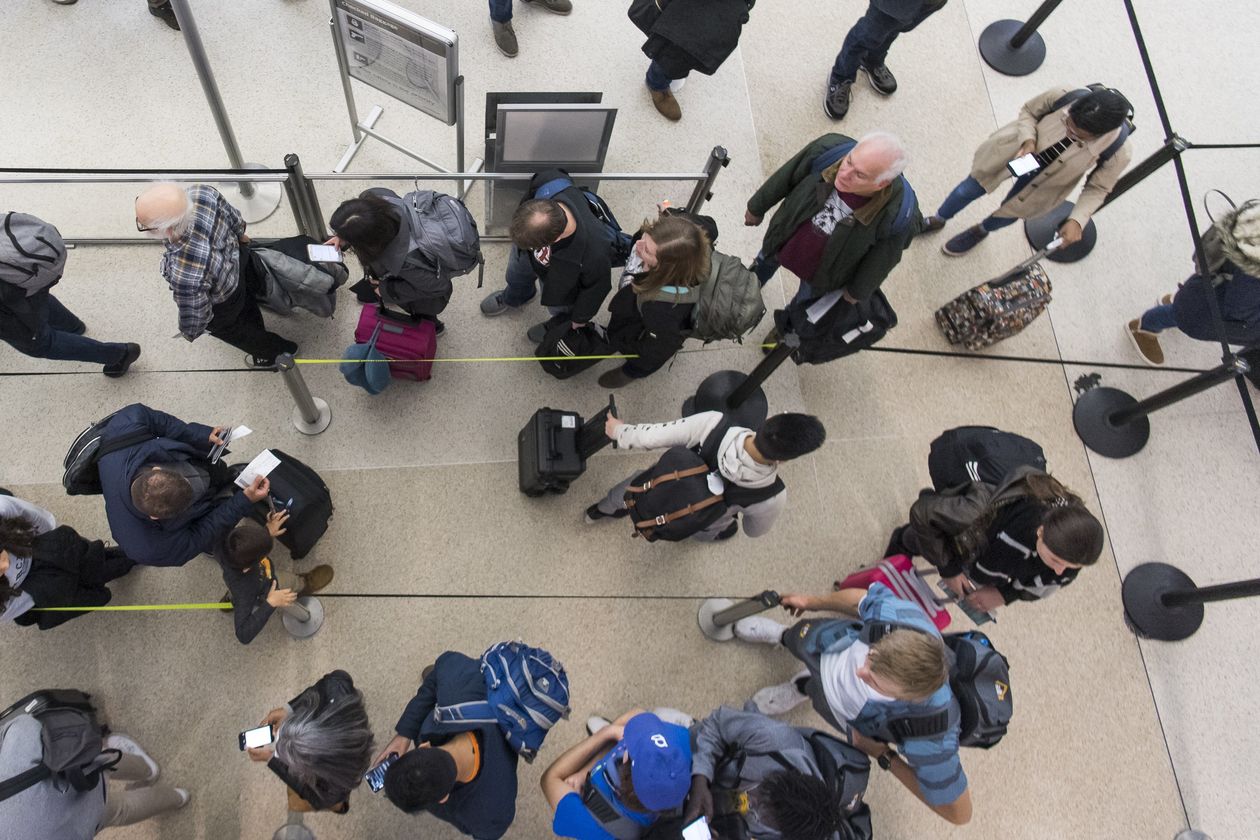
With a dedicated-queue system, physicians could see who they were helping, who in the waiting room had been assigned to them and exactly how long their individual queue was. The doctors seemed to feel more ownership when they could see which and how many patients were assigned to them.
But would service providers in other industries behave the same way as? The study concluded that a dedicated queue would also speed up wait times in fields that are knowledge-intensive and have high levels of customer ownership, such as medicine, personal banking or places like the Apple Genius Bar.
“The phenomenon is not expected to translate to anonymous call centers or other settings where the service provider doesn’t have a relationship with the customer or the service is very routine, like at a grocery checkout or a factory with machines,” says one of the researchers in a forthcoming article in the journal Operations Research. “Companies may want to look at their organizational culture, seeing where there is room to encourage more customer ownership, and consider ways to change to a dedicated-queue configuration to achieve shorter wait times. Encouraging customer ownership by dedicating assignments to each server when planning queue configurations might shorten the wait and service time.”
Classroom discussion questions:
- Explain the difference between Models A (M/M/1) and B (M/M/s).
- What model is being described in this study?