


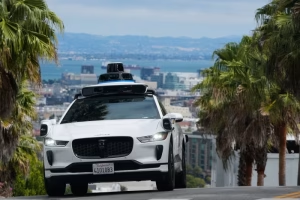
Where do all the used EV batteries go? Alphabet’s Waymo has found a wonderful solution: recycle its old electric-vehicle batteries as storage for solar power. The plan is to reuse thousands of its EV batteries, finding a new use for the old batteries as large-scale energy-storage systems that can stash power to shore up the electric grid.
Its fleet of self-driving cars go through EV batteries far more frequently than regular electric vehicles because the autonomous ride-hail cars rack up more miles more quickly. That means batteries from its autonomous cars would be repurposed at a faster rate than those from a personal EV.


To repurpose EV batteries, the units are removed from the cars, tested and ultimately packed into 9-foot tall “cabinets,” which look like small shipping containers. Each cabinet contains dozens of old EV batteries.
The system captures excess solar energy during periods of low demand and eventually makes it available to consumers via the electricity network through wholesale markets where power is traded. That helps firm up the grid. The company estimates that one cabinet could power an average home for up to three months, writes The Wall Street Journal (June 4, 2026).
Each battery reused can add $8,000 to $10,000 in added electric power value. The clean energy startup is part of a budding desire for businesses to get more out of the glut of electronic waste. “To take an asset made for one purpose and use it for a different purpose—it is fairly novel,” said a company exec.
Classroom discussion questions:
- Frame this as a “triple bottom line” issue as in Supp. 5 of your Heizer/Render/Munson text.
- What happens to EV batteries that are not repurposed?