
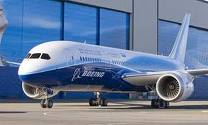
 Boeing’s production problems with its 787 Dreamliner have taught it to stress-test suppliers as it tackles a mountain of orders for its best-selling 737 jets. In the past, “We had much more of an attitude of: We’ll set the requirements and you have to go do your job”, says Boeing’s VP for the 737 in The Wall Street Journal (Dec.30,2011). Now, it is using “a fundamentally different approach”, by regularly verifying that suppliers have the right skills.
This is part of a critical effort to boost production by about 60% (or 300 jets a year) to work down a backlog of 3,500 orders worth $270 billion. To do so, Boeing has added 200 supply chain specialists in the last 18 months. They visit vendors frequently as part of the strategy to remove bottlenecks and delays that have hobbled previous ramp-ups. Take Vaupell Holdings, for example– one of 1,000 suppliers subject to exhaustive reviews of production tools, materials and schedules. A Boeing employee visits almost daily now, as compared to once a week in the past.
Airplanes are one of the most complex industrial products. Jets at Boeing contain several million parts, coming from 1,200 direct suppliers and many more 2nd and 3rd tier suppliers. Problems down the supply chain, such as shortages of machines used to mold certain components, can cause delays that ripple not just across Boeing, but through the whole commercial airplane industry. Boeing execs say their heightened sensitivity to the supply chain stems from the troubles it had in producing the first 787s, which depend heavily on parts made outside Boeing.
Discussion questions:
1. Why is Boeing so concerned about its suppliers?
2. What happens when the supply chain suffers severe disruptions?