
3D printing technology, which allows you to produce 3-dimensional solid objects from a digital model, have become more affordable -as low as $499. Here are just a few amazing products we will see from this developing technology, compliments of OnLine Business degree.org.
- Vintage car parts: Vintage car lovers are sometimes stuck with a vehicle that will no longer run because a single part is broken. Replacement parts for antique cars often no longer exist. You can now scan a part that needs to be replaced, and then print a plastic or metal replacement part.
- Body organs: Organovo is the first company to create a bioprinter, which replaces the ink drops of a printer with human cells. Although this technology is 5 years away, it will one day be possible to use an adult’s stem cells to print and grow a kidney, heart valve, or pair of lungs.
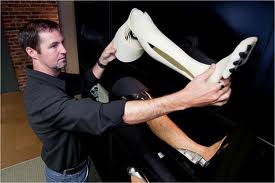
- Artificial limbs: Bespoke Innovations is using 3D printers to produce functioning artificial limbs for a much lower cost than what has been previously available. With digital modeling, a prosthetic limb can be customized to suit the recipient’s body and needs.

- Space missions: Getting a replacement part from Earth to the space station is not only technically challenging, it also costs a whole lot of money. 3D printers may soon allow astronauts to resupply as needed.
- Structurally sound houses: Construction companies are using ‘Contour Crafting’ to cheaply build structurally strong buildings. Italian designer Enrico Kini is working toward using large-scale 3D printing technology to produce entire stone buildings made of sand and an inorganic, liquid binding agent.
- Prosthetic jaw: European researchers have created a prosthetic jaw for a patient suffering from a severe infection of her mandible. The replacement was made with a 3D printer and powdered titanium, instead of plastic, to sculpt the jaw. A bioceramic coating was applied so that the patient’s body would not reject the implant.
Discussion questions:
1. Why are 3-D printers an important new OM tool?
2. How can the printers be used in a factory environment?