
Here are 4 increasingly important manufacturing components you probably never heard of: (1) neodymium–used in magnets in wind turbines and Toyota Prius engines; (2) yttrium–used in wind-turbine blades and flourescent lamps; (3) 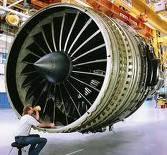 lanthanum–used in batteries in hybrid cars and as a catalyst in gas and jet fuel; and (4) europium–makes the color red in TV, laptop, and iPhone screens.
As The Wall Street Journal (Sept. 12,2011) writes: “Manufacturers of high-tech products rely on a steady stream of metals–some of them scarce–to make their goods”. These “rare earth” metals, a collective name for 17 minerals used in products like these, have skyrocketed in price in the past 2 years as China (which controls 90% of global production) slashed exports to tighten control over the sector. Lanthanum, for example, jumped from $10/kg in 2009 to $160/kg today. Neodymium surged from $20/kg to $455/kg.
As a result, mining companies around the world, shut down by 20 years of cheap supply from China, are reopening. And companies like GE and Toyota are trying desperately to reduce or eliminate the need for the metals. GE, for example uses rhenium in engine blades. It has started experimenting with other hardening additives that are cheaper and more abundant. It has also started a global recycling program–pulling out old engines from scrap piles and dissolving them in acid baths to retrieve the scarce metal. Toyota is working with Tesla Motors to develop a new electric motor that does not use neodymium magnets.
Yet scientists have had little success in finding a replacement for the europium found in dozens of products from light bulbs to computer screens. This rare earth generates the color red, while terbium provides your iPhone’s green color.
Discussion questions:
1. Why are rare earths so important and now so rare?
2. How does an operations manager respond to changes in the supply chain such as these?