
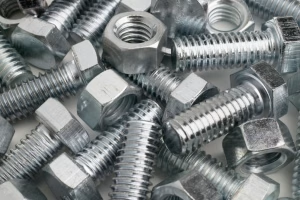
 In operations management, small and overlooked details can have outsized consequences. A well‑known example comes from a manufacturing plant where a single 2‑cent bolt caused nearly a month of downtime. The incident illustrates that the failures that matter most are not always the ones that occur most frequently, writes Industry Week (Sept. 22, 2026).
Predictive maintenance systems (see Ch. 17 in your Heizer/Render/Munson text) are designed to monitor components that commonly wear out. Sensors track performance, data models identify warning signs, and technicians intervene before breakdowns occur. When focused on familiar failure patterns, these systems perform effectively and prevent costly interruptions.
However, predictive systems only detect what they are built to observe. In this case, the bolt that failed was not instrumented. It was considered too inexpensive, too simple, and too unlikely to break. Because it was not monitored, the system had no way to provide an early warning. When the bolt snapped, the machine stopped immediately.
The true cost of the failure was not the price of the bolt but the time required to recover. The part was specialized and not kept in inventory. It had to be ordered from a specific supplier, and until it arrived, the production line remained offline. The result was weeks of lost output—far more expensive than any of the common failures the system was designed to predict.
The OM lesson is clear: rare failures can be more damaging than frequent ones if the organization is unprepared to respond quickly. Effective maintenance planning requires looking beyond the usual wear‑and‑tear components and identifying parts that, if they failed unexpectedly, would be difficult or slow to replace.
The most costly outage often comes from the part no one thought to monitor. Recognizing this blind spot—and planning for it—is essential for building resilient operations.
Classroom Discussion Questions
- How should organizations balance monitoring common failures with preparing for rare but high‑impact failures?
- What criteria—not just failure frequency—should be used to decide which machine components deserve monitoring or backup inventory?