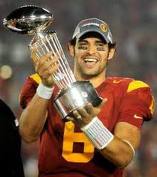
We received so many comments and emails about our blog on NFL Sports Incentives a few weeks ago that we decided to follow-up by looking at how Auburn U. head football coach Gene Chizik did after leading his team to a BCS National Championship. Auburn, which finished the season 14-0 knocked off the #2 U. of Oregon team on Jan. 10, 22-19 ( just in case you were one of the few people in the country not watching the game).
It turns out Chizik did quite well. In addition to his $2.1 million base salary (which, sadly, is less than 6 other coaches in the SEC, but more than I made in my whole academic career), he had already earned an extra $500,000 for hitting 4 of his incentive targets: 13 wins, an SEC title, SEC Coach of the Year, and a BCS bowl appearance.
He also receives $150,000/year for 5 years to help pay the $750,000 buyout he owes Iowa State U. for departing before his contract ended there.
According to Bloomberg (Jan. 11, 2011), Chizik also made the final incentive of $600,000 by winning the national title, claiming 14 victories, and finishing in the Top 5 in the final AP poll.
Chizik did miss the $150,000 that was attached to his program reaching a score of 1,000 on the annual Academic Progress Rate for student athletes. Nor did he get the $50,000 bonus for a score of 950. The team had a 915 on its most recent evaluation.
How much were the Auburn players paid? The answer, of course, was $0. According to the NCAA website, “Student athletes are students first and athletes second. They are not university employees who are paid for their labor.”
Discussion questions:
1. Are incentives a good idea for professional athletes? For coaches?
2. Are there ethical considerations?