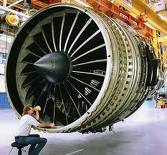
A supplier that is quite literally an engine of aerospace supply chains is having trouble powering up, writes The Wall Street Journal (Nov. 1, 2018). Rolls-Royce is warning its aircraft-engine production will fall short this year, adding to the pressure plane makers face in delivering new jets to airlines on time. The British manufacturer blamed the setback on production problems with a new engine, the Trent 7000, used to power Airbus A330neo wide-bodies. It said it would ship 500 rather than 550 airliner engines.
Boeing and Airbus have struggled this year to get planes into customer hands because of production problems. Boeing has had 737 single-aisle planes lined up on the ramp at its Seattle production site awaiting engines. Delays to fuselages also hit production. For Airbus, the Rolls-Royce setback comes at a particularly difficult time. The company is already late with deliveries of its popular A320neo single-aisle planes. Both its engine suppliers, Pratt & Whitney and a joint venture of GE and Safran, fell behind this year on producing engines. The jet makers insist they are catching up, but one key customer says supply chains remain “tremendously constrained and under pressure.”
Airlines are increasingly frustrated by the situation. The CEO of British Airways said “these issues have gone on far too long already.” The airline’s Boeing 787 Dreamliners have been beset by repair problems on their Rolls-Royce engines. Norwegian Air Shuttle, which has had to rent alternative planes because of the same engine problem, this week said compensation payments from Rolls-Royce didn’t make up for the financial impact the struggling carrier has felt.
Classroom discussion questions:
- Why are engine suppliers unable to meet commitments?
- How many engine suppliers are there? Who are they?