
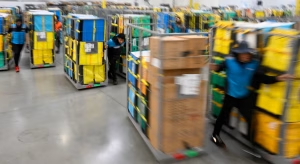
 When the U. of South Carolina started its supply-chain program in 2007, there were 30 business-school students in it. Today, the program has grown to over 800. That’s a function of how logistics has changed the world, especially since the pandemic. Package-delivery trucks constantly weave through neighborhood streets. Porches and mailrooms are crowded with deliveries from Amazon, Target, Walmart, Temu and Shein. DoorDash and Uber Eats drivers ferry burritos, pizza, and sushi. Uber and Lyft have largely displaced yellow taxis. Instacart does your grocery shopping for you.
There’s already a shortage of highly qualified talent in the industry, and colleges have been bulking up their programs to ensure there’s a steady supply of workers. A recent survey found that 37% of 1,000 supply-chain decision-makers across North America and Europe said they were experiencing workforce shortages. More than half of respondents said positions for knowledge workers and managers have been “hard or extremely hard” to fill. Transportation and warehouse operations have been most affected by the workforce shortage.
The jobs are also lucrative: pay has increased along with demand. Supply-chain and logistics roles in manufacturing often have the highest salaries, averaging over $120,000 annually.
“The pandemic exposed vulnerabilities in global supply chains, leading to a growing demand for professionals who can manage the complexities of logistics, inventory, and distribution systems,” said a Cal Poly prof. AI is also at the forefront of top candidates’ resumes. “We’ve seen that many retailers need professionals who understand both logistics and advanced technologies like AI and data analytics. These skills allow them to predict inventory needs more accurately and respond to market demands faster,” added an industry CEO.
Still, it’s not all about technology. Workers need to be able to not just handle tech, but also customer relationships. For example, the team might need to work closely with suppliers on the common goal of streamlining processes to make things run more efficiently.
Classroom discussion questions:
- What would be the job titles for a new grad entering the SCM field?
- Why has this field taken off in popularity?