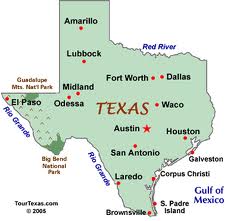
The answer: More California companies to relocate to what Texas claims is the more business-friendly state. Oracle and HP are the latest big corporations to announce moves to the Lone Star State. Elon Musk, the CEO of Tesla, is also moving to Texas, and the electric car company is expanding there.
The announcements have highlighted the vastly different tax and regulatory systems in the country’s two most populous states, writes The Wall Street Journal (Dec. 17, 2020). California relies more on taxing personal income, particularly of high-income households, and operates a growing regulatory structure. Texas leans on more regressive property and sales taxes and boasts a more laissez-faire environment. The biggest difference: High-paid executives who move can see their state income-tax bills go from 13.3% to nothing.

Moves by high-profile companies to Texas from California are not only likely to improve the personal finances of executives, but also offer employees more affordable housing and lighten regulatory burdens. For companies, much of the difference between California and Texas boils down to ease and cost of hiring—not just now but down the road. Companies have grown frustrated with the cost of attracting and keeping employees, as living expenses soar in California, and as regulatory mandates expand. “The compounding effects of California’s economic and political environment is making it more difficult to run a business effectively,” said one industry expert.
The Tax Foundation puts Texas 11th in its ranking of state business-tax climates, with California 49th. The biggest factor—outweighing any change in business taxes—is likely to be the lower cost of employing workers in the state. For most employees, that calculation is about housing costs.
Classroom discussion questions:
1. What other factors mentioned in Ch.8 (Location Strategies) affect location decisions?
2. How is “clustering” an advantage to both of these states?