
Retailers nationwide have seen online returns skyrocket over the past four years after rolling out generous returns policies to attract customers amid a pandemic-driven surge in e-commerce. The returns policies have helped change shopping habits: Consumers have grown accustomed to ordering items online in several sizes and colors, then returning what they don’t want.
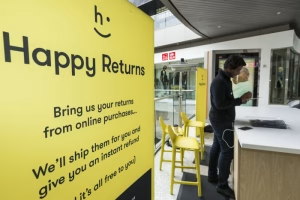 Shoppers last year returned 17.6% of items they purchased online, valued at more than $247 billion and more than double the percentage of goods returned in 2019. Returns have become such an entrenched part of online commerce that companies have sprung up to handle the growing business. UPS acquired one of those specialized operators, Happy Returns, for $465 million.
The ease of shipping goods back has also given criminals new tools to exploit in an online environment in which buyers don’t need to interact with store employees–and the scale and organization of the fraud is getting more ambitious, and organized. More than $100 billion in merchandise was returned fraudulently in the U.S. last year, estimated to be 9-15% of the $850 million returned goods retailers received in 2024-2025, reports Supply Chain Brain (Feb. 2, 2026).
Organized criminal groups “are taking advantage of the omnichannel retail environment,” said on industry expert. In some cases, fraudsters are returning knockoffs in place of designer goods and sending back boxes full of bricks or other filler rather than the original items. Others are manipulating shipping labels to receive a refund just from mailing back an empty envelope. Fraudsters marketing their services on Telegram and through other websites often sell their services in return for a cut of customers’ refunds.
Apparel retailer PacSun recently noticed a sharp increase in returns of online purchases, including one customer who had returned some 250 orders worth $24,000. PacSun had issued the refunds, but the company never received the actual merchandise at its warehouse. Instead, workers found “used or different merchandise returned in the box, or even empty shoeboxes.”
Some retailers such as Amazon are taking legal action. It just sued the refunding-services group REKK that it claimed was “responsible for stealing millions of dollars of products from Amazon’s online stores through systematic refund abuse.”
Classroom discussion questions:
- How can the quality control inspections engaged during returns processing be defrauded?
- How has e-commerce made this fraud easier?
 Temple U. Professor Misty Blessley raises an interesting inventory issue–returns.