
We introduce the subject of value analysis in Ch.5 as a way to manufacture a successful product more economically. And with soaring 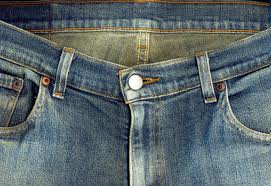 cotton and labor costs that are hard to pass onto budget-conscious consumers these days, the fashion industry is paying close attention. The shock to apparel company execs, who have experienced only falling or stable prices for the past 2 decades, means they are turning to “deconstruction” to find out how to take garments apart and put them back together with fewer and cheaper materials. Businessweek (May 30-June 5,2011) reports that with costs going up 15% in the 2nd half of 2011, clothing makers are redesigning apparel to extract savings.
Since fabric can cost as much as 50% of a garment’s cost, cutting it more carefully can reduce waste by 50 cents on a pair of $195 wool slacks. Buying zippers on a roll can save another few cents, eliminating cuffs and pleats, scrimping on linings, and switching to coarser material for pockets can each save another 10-50 cents. “For big apparel companies the make 100,000’s of men’s suits a year, saving 20 or 50 cents a garment is a lot of money”, says a prof at the Fashion Institute of Technology.
Deconstruction expert Peter Brown recently examined a $29.50 pair of slacks and spotted a coin pocket. “Eliminating it zaps a nickel”, he states. He also cuts out watch pockets (who uses them anymore?), and decorative stitching on the waist band (which is only seen by the wearer). And does a dress shirt need real shell buttons or will imitation pearl do? At 20 cents a button for a shirt that needs a dozen buttons, one manufacturer recently opted for the imitation.
Discussion questions:
1. How else can clothing manufacturers cut their costs?
2. What is the danger in removing the watch pocket from a pair of dress slacks?