
When you are teaching TQM in services (Ch.6), you might ask your students to consider how they would rate the quality of hotels they have stayed at. We write in the chapter about the intangible differences between products (hotels) and the intangible expectations customers have of these products. Certainly, we all have lower expectations of service quality when we stay at a Motel 8 versus when we are guests at a Ritz Carlton or Four Seasons. (See in our video case study “Quality at the Ritz”).
I bring this up because my family and I just returned from our big vacation of the summer– a 3-night stay at what some claim 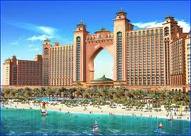 to be the premier resort hotel in the Caribbean. The “product” was really on the expensive side, so our expectations ran high. World class facilities, food, service, and activities were all on the list. The people/services were extraordinary. Every single employee we came in contact with was gracious, smiling, helpful, and courteous.
But one of the reasons we came in contact with so many hotel staffers was that so many things went wrong with the tangibles. My wife counted over a dozen repair people (all warm and friendly) in our rooms during the 3 days– yet the problems kept coming. First the broken shower head was replaced. Then a deadbolt that locked my 13-year-old in and us out (which had to be drilled out). Then no sound on the TV, as well as a missing remote. To boot, the sink was dirty (brown) when we arrived. But the real issue was the unflushable toilet! After 4 visits to first replace the insides, then to repair it over and over, the toilet still ran all night long. I worked on it myself a few times, then gave up and put 4 towels and a bathrobe over it to mask the noise.
How did the manager handle service recovery? The LEARN routine was followed perfectly, and a discount was even applied. But would we return to a hotel that had such problems? Very doubtful.
On of the reasons that delivering “experiences” is so challenging is because the Switching Costs are so high. Once you are in the middle of an experience, there is no way to get out of it and begin another. In your stay at the hotel, it didn’t matter how well they adapted to your changing needs with service recovery strategies. Your most precious commodity – time – was running out, and you had no way to put it on hold while they fixed the problem. In three days, your family was going to leave, and any disruption of that time was costly indeed.
For example, how much time did you waste while waiting for the service people to show up? And, how uncomfortable was it to have people in your rooms while they worked on things that should never be a problem in a first-class property? Then, there are the follow-up calls and visits. Service recovery is somewhat meaningless when you cannot recover your vacation time. And, a discount is equally meaningless when you had already made the decision to spend that money on experiences and memories. You couldn’t put your vacation on hold, go to another hotel or resort, and resume your day without the loss of a great majority of your travel time. And, in the case of the luxury hotel, there are no alternatives!