OM in the News: Japanese Hotel Lets Robots do the Heavy Lifting

A receptionist robot, accompanied by two other robots, greets a hotel guest demonstrating how to check in the new hotel
A receptionist robot, accompanied by two other robots, greets a  guest checking in at the new hotel

The English-speaking receptionist is a vicious-looking dinosaur, and the one speaking Japanese is a female humanoid, writes The Guardian (July 15, 2015). “If you want to check in, push one,” the dinosaur says. The visitor punches a button on the desk, and types in information on a touch panel screen. From the front desk to the porter that’s an automated trolley taking luggage up to the room, the Henn na Hotel in southwestern Japan, is manned almost totally by robots to save labor costs. The hotel uses facial recognition technology, instead of the standard electronic keys, to register the digital image of the guest’s face during check-in. The reason? Robots aren’t good at finding keys if people happen to lose them.

A giant robotic arm, usually seen in manufacturing, is encased in glass quarters in the corner of the lobby. It lifts one of the boxes stacked into the wall and puts it out through a space in the glass, where a guest can place an item in it to use as a locker. The arm will put the box back into the wall until the guest wants it again. The system is called “robot cloak room.” The concierge is a robot with voice recognition that prattles breakfast and event information.

Japan is a world leader in robotics technology, and the government is trumpeting robotics as a pillar of its growth strategy. Robots have long been used here in manufacturing. But interest is also high in exploring the potential of robots in human interaction, including helping care for the elderly. Robotics is also key in the decommissioning of the three reactors in Fukushima.

Classroom discussion questions:

1. What are the advantages and disadvantages of this robot-driven approach?

2. What can’t the robots do at the hotel?
Teaching Tip: What Can You Expect From Your Hotel?

When you are teaching  TQM in services (Ch.6), you might ask your students to consider how they would rate the quality of hotels they have stayed at. We write in the chapter about the intangible differences between products (hotels) and the intangible expectations customers have of these products. Certainly, we all have lower expectations of service quality when we stay at a Motel 8 versus when we are guests at a Ritz Carlton or Four Seasons. (See in our video case study “Quality at the Ritz”).

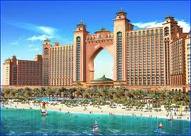
I bring this up because my family and I  just returned from our big vacation of the summer– a 3-night stay at what some claim to be the premier resort hotel in the Caribbean. The “product” was really on the  expensive side, so our expectations ran high. World class facilities, food, service, and activities were all on the list.  The people/services were extraordinary. Every single employee we came in contact with was gracious, smiling, helpful, and courteous.

But one of the reasons we came in contact with so many hotel staffers was that so many things went wrong with the tangibles. My wife counted over a dozen repair people (all warm and friendly) in our rooms during the 3 days– yet the problems kept coming. First the broken shower head was replaced. Then a deadbolt that locked my 13-year-old in and us out (which had to be drilled out). Then no sound on the TV, as well as a missing remote. To boot, the sink was dirty (brown) when we arrived. But the real issue was the unflushable toilet! After 4 visits to first replace the insides, then to repair it over and over, the toilet still ran all night long. I worked on it myself a few times, then gave up and put 4 towels and a bathrobe over it to mask the noise.

How did the manager handle service recovery? The LEARN routine was followed perfectly, and a discount was even applied. But would we return to a hotel that had such problems? Very doubtful.

OM in the News: Marriott’s Simulation Game Lets Students Run the Hotel

Marriott International has just rolled out a new hotel-themed online game this week, which it hopes will attract students to positions in the hotel industry. The Wall Street Journal (June 6, 2011) describes “My Marriott Hotel”  as a realistic game that puts the player in charge of running the hotel kitchen (the company will roll out games depicting other aspects of the hotel business next year). The social media game, debuted on Facebook, puts the player in charge of buying ingredients, after being given an array of options in quality and price. The player also hires staff (based on experience and salary), and buys kitchen equipment. The players have to direct tickets to cooks and inspect orders before sending them to the customer.

Unlike  commercial simulations, like “Farmville” (by Zynga), Marriott is using computer gaming as a recruiting tool– to help fill  50,000 hotel positions this year. “Our game is so appealing”, says a Marriott exec. “Not only am I having fun but I am actually getting an understanding what it takes to run a kitchen”.

The model follows the  wildly popular “America’s Army”, introduced a decade ago by the US military. This effective recruiting tool cost little and led to a whole genre of industry simulation  games generally played on a mobile device. Siemens AG just bought “Plantville”, which simulates  being a manager for a bottling facility, a vitamin factory, or a plant that builds trains. Similarly, PlayFirst owns “Hotel Dash”, which simulates luggage delivery, room service orders, and hotel renovations. Marriott claims its game “will be more realistic”. But a Wharton prof says creating an effective game to help recruit “so far remains elusive”. It has to be both fun and realistic.

Discussion questions:

1. How can these games be effective OM learning tools?

2. Why did Marriott decide to provide this simulation at no charge?