
Supermarket chains started introducing self-service lanes about 10 years ago, touting them as an easy way for shoppers to scan their own items’ bar codes, pay, bag their bounty and head on their way. Retailers also anticipated labor savings, 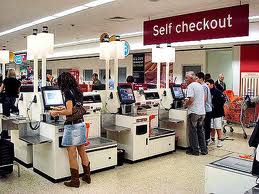 potentially reducing the number of cashiers as they encouraged shoppers to use the do-it-yourself technology (one of our topics in Ch.7, Process Strategy). But Forbes (Sept. 26, 2011) is reporting that some grocery chains nationwide are bagging this “wave of the future” option by eliminating self-serve lanes.
Big Y, a Northeast US chain, just announced it was phasing out self-checkout lanes. Albertsons is also reducing its unstaffed lanes and adding more clerks to traditional lines. Why? Because a recent Food Marketing Institute study found that only 16% of supermarket transactions in 2010 were done at self-checkout lines in stores providing that option–down from a high of 22% three years ago. Overall, people reported being much more satisfied with their shopping experience when they used cashiers. Big Y found that its self-service lines caused delays because of coupons and payments. Intentional and accidental theft and misidentifying products also helped reach the tipping point.
Other chains plan to keep the self-service option in place because they think giving shoppers that choice is an important part of customer service. “People shop in different ways”, says a Stop & Shop spokeswoman. Home Depot and some other businesses that cater to a do-it-yourself mentality, have had more success with their self-service lanes. And it may all come down to demographics–such as whether the store is in a tech-savvy region. “It is a match between technology and the customer base”, says a St. Joseph U. prof.
Discussion questions:
1. What other businesses have reversed direction in terms of new technology?
2. Why have ATMs succeeded at airports and banks?