
Employers in the U.S. complain they can’t find qualified workers. But, as BusinessWeek (July 23, 2012) reports, the problem is not unique to American industry. While French 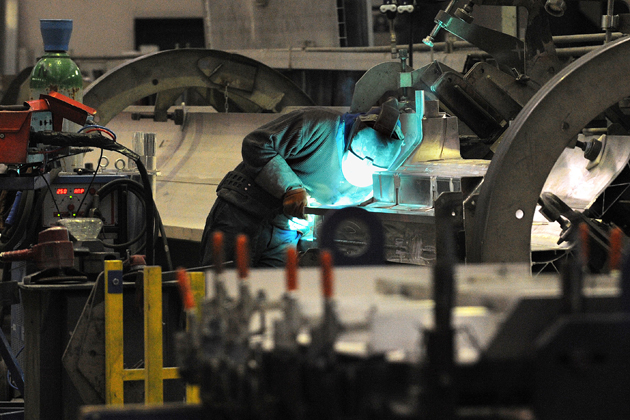 unemployment rose to 10% recently, about 43% of French companies were unable to recruit the workers they need. In some industries, 2/3 of the companies encountered difficulties hiring. It’s not just high-level engineers who are in short supply. The shortfall for home nursing and cleaning jobs was the highest, at 67%; it was 62% for engineers, 61% for cooks, and 58% for nurses.
The skills mismatch reflects France’s inability to adapt its educational and vocational training to business needs, as neighboring Germany has done. Every year, half a million German businesses take on teenage apprentices to teach them a trade: The apprentices supplement their on-the-job training with classes at vocational schools. In Germany, not only are vocational training firms obligated to provide details to the government on their job placements, but trainers’ pay is partly dependent on how many trainees find a job, which forces them to build classes around well-identified needs. The result: Youth unemployment in Germany is 8.5%; France’s is 22%.
France’s educational system, somewhat like ours in the U.S., looks down on vocational training (a topic in Chapter 1), perpetuating the notion that intellectual jobs are more worthy than manual work. “For years, there has been a deep hatred in the education system regarding manufacturing,” says an industry leader. The lack of mobility among factory hands even inside France adds to the skills mismatch. French employees are rarely willing to move, compared with the U.S. and the U.K., because the French housing market lacks fluidity. While France spends a bigger piece of its national income on education than Germany—6% compared with 4.8%—it gets less bang for its buck.
Discussion questions:
1. Why don’t we have more apprentice programs in the U.S?
2. Where are there shortages of skilled workers in the U.S., and why?