
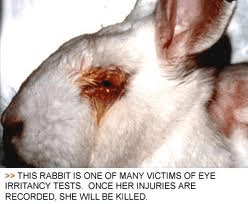
 The “Ethical Dilemmas” at the end of each of the 17 chapters in our text provide a rich selection of classroom discussion topics. Here is one more, from BusinessWeek (Sept.30-Oct.6, 2013), that you can share with your students when discussing new product development in Chapter 5. It relates to the tradeoff between animal rights and foreign laws.
Western cosmetics makers are ecstatic about the prospect of continued growth in China’s $32 billion beauty market. Animal rights activists, not so much. That’s because hundreds of thousands of animals are killed each year in tests mandated for all new cosmetics and personal-care products to win approval there. (At least 72 animals are used for each product. Since 4,249 beauty products were introduced in China last year, this translates to 305,928 animals.)
China is the only major market where companies must test their mascaras and lotions on animals. Rabbits, for instance, have ingredients dripped into their eyes or are killed after skin irritation tests. That’s created a dilemma for companies like L’Oreal and Procter & Gamble that want to sell in the giant market without alienating consumers in countries where public sentiment frowns on such animal treatment. The U.S. discourages, but doesn’t bar, animal tests. India bans animal testing for beauty products. And the EU, which has long barred such trials, also prohibits the sale of newly developed products tested on animals elsewhere.
Beauty makers aren’t about to turn away from China. L’Oréal, the world’s biggest cosmetics maker, sells its namesake beauty goods in the country, while P&G sells products such as Olay and Head & Shoulders. P&G gets about 18% of its annual sales from Asia; L’Oréal, about 19%. Both companies’ shares have been rising. Niche brands, however, such as L’Oréal’s Body Shop and Pangea Organics, which refuse to do animal tests, are blocked from the Chinese market entirely. L’Oréal in a statement said the company always abides with local regulations.
“The consumer here doesn’t think as much about ideals such as animal testing,” says a Chinese exec. “They care about the price, the brand, and the product.”
What should Western manufacturers do?
