We end each chapter in the book with an Ethical Dilemma, intended to enhance class discussion on topics of interest. Here is a timely issue regarding Apple, based on a front-page New York Times (Jan.26,2012) report that details the shocking working conditions in Chinese factories that build the company’s products. The article tells the story of one worker who was killed in an aluminum dust explosion at a factory last year and paints a picture of the “harsh” and “bleak” environment in which iPads and other devices are built.
 One former Apple executive says: “Most people would still be really disturbed if they saw where their iPhone comes from.” An ex-employee of Foxconn, the biggest of Apple’s suppliers in China, which has made headlines because of suicides among workers, said: “Apple never cared about anything other than increasing product quality and decreasing production cost. Workers’ welfare has nothing to do with their interests.”
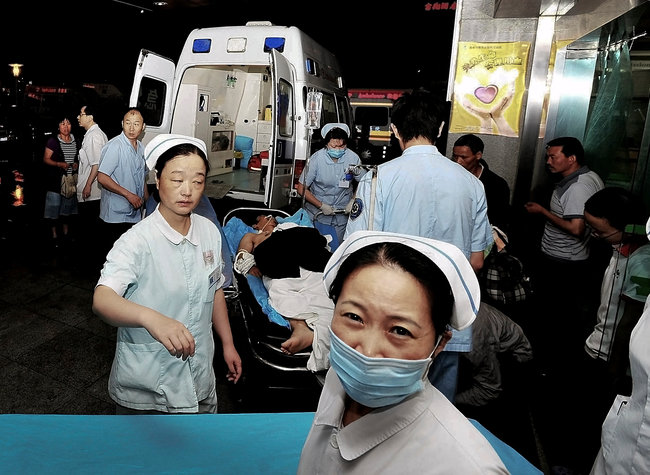
And while excited buyers eagerly anticipate new products, Apple’s audits have found evidence of employees being forced to work more than 6 days a week and put in extended overtime. There have been allegations of involuntary labor, under-age workers, record falsification and the improper disposal of hazardous waste.
The Times also details the pressure manufacturers are under. “Executives want to know every financial detail. Afterward, Apple calculates how much it will pay for a part. Most suppliers are allowed only the slimmest of profits. So suppliers often try to cut corners, replace expensive chemicals with less costly alternatives, or push their employees to work faster and longer.”
The lengthy article notes that companies like Nike and Gap have been forced to change their ways in the face of public outrage, but ends with the words of a current Apple exec: “Right now, customers care more about a new iPhone than working conditions in China.” Do your students agree?