
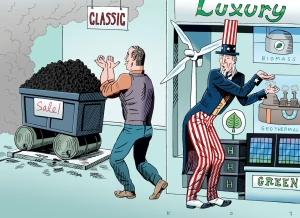
 Globally, we spent almost $2 trillion in 2023 to try to force an energy transition. Over the past decade, solar and wind energy use has soared to record levels. But that hasn’t reduced fossil-fuel use, which increased even more over the same period.
Research shows that when countries add more renewable energy, it does little to replace coal, gas or oil. It simply adds to energy consumption. For every 6 units of green energy, less than one unit displaces fossil-fuel energy. While renewable energy sources worldwide will dramatically increase up to 2050, that won’t be enough even to begin replacing fossil fuels—oil, gas and coal will all keep increasing, too.
During the 19th-century transition to coal from wood, overall wood use increased even as coal assumed a greater percentage of energy needs. The same thing happened during the shift to oil from coal: By 1970, oil, coal, gas and wood all delivered more energy than ever before.
With a thirst for affordable energy, oil and coal energy use has doubled, hydro power has tripled and gas has quadrupled in the last 50 years. The use of nuclear, solar and wind power has surged. During past additions of a new energy source, researchers found it has been “entirely unprecedented for these additions to cause a sustained decline in the use of established energy sources.”
Solar and wind aren’t better, because unlike fossil fuels, which can produce electricity whenever we need it, they can produce energy only according to the vagaries of daylight and weather. They are cheaper only when the sun is shining or the wind is blowing at just the right speed.
When we factor in the cost of 4 hours of storage, wind and solar energy solutions become uncompetitive with fossil fuels. Further, solar and wind are almost entirely deployed in the electricity sector, which makes up only 1/5 of all global energy use. As we struggle to find green solutions for most transportation, we have yet to address the energy needs of heating, manufacturing or agriculture. And we are ignoring the hardest sectors like steel, cement, plastics and fertilizers.
Classroom discussion questions:
- What can managers do to help the need for sustainable operations given these statistics?
- Will solar, wind, and nuclear take over the bulk of energy production? Why or why not?

