OM in the News: Why Chocolate Prices are Soaring

Starting the end of 2024, chocolate makers that sell or produce in the EU will have to show that the cocoa they use wasn’t grown on land cut from forests since the end of 2020, reports The Wall Street Journal (May 20, 2024). In practice, it means that each morsel of cocoa that makes its way into the bloc will need to be linked to the GPS coordinates of the farm where it was harvested. Because the EU is the world’s largest chocolate market, the law will also apply to global confection giants like U.S.-based Mars, the maker of M&M’s, or Switzerland-based Nestlé.

A farmer cuts a cocoa pod to collect the beans inside in Ivory Coast

Ivory Coast, the world’s no. 1 cocoa producer, has mapped 80% of the country’s 1.55 million cocoa farms. Failure to map all  farms could take more beans out of the market, worsening current shortages. Farmers have traditionally responded to cocoa shortages by clearing forests to make way for more farmland. That’s not an option under the new EU legislation.

The EU initiative is part of a growing movement (see Supp.5) to make raw materials—including agricultural products and minerals used in smartphones and electric cars—traceable, with the goal of reducing the potential harm they inflict on the environment and local populations.

Ivory Coast was once covered in dense rainforest. But over the past 60 years, 90% of the country’s forest cover has disappeared, making it one of the countries with the highest annual rates of deforestation in the world.

For consumers, the EU law couldn’t have landed at a worse time. Unseasonable weather as well as cocoa-tree diseases have hit harvests across West Africa, the source of 70% of the world’s cocoa beans. Stockpiles this season are the lowest in 45 years, as demand outstrips supply for a fourth consecutive season. Prices for cocoa recently touched a record high of nearly $11,500 a ton, about four times as high as they were a year ago.  Those increases will come on top of a 12% rise in the price of U.S. chocolate candies in 2023 and a 14% increase in 2022.

In times of high prices, companies also often shrink the size of their products or tweak recipes to use less cocoa.

Classroom discussion questions:

  1. What are the advantages and disadvantages of this EU plan?
  2. What options do supply chain managers at Marrs and Nestle have?
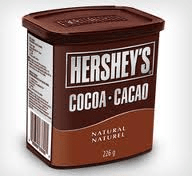
OM in the News: Hershey Goes Sustainable

hersheyIt’s almost Valentine’s Day, the time of year that truly tests logistics and supply chain management at jewelry,  flower, gift shops, and restaurants. But few companies will be challenging their suppliers as seriously as Hershey, writes Food Logistics (Feb. 6, 2013). Just recently, the company announced its intention to use cocoa beans from Rainforest Alliance Certified farms in 100% of its products by 2020, in an effort to promote sustainable, ecologically-sound farming practices and safe conditions for workers and families.

While testing its supply chain, Hershey is trying to improve the quality of its products as it expands business into China, India and Brazil, which are rapidly developing a middle class consumer base.  “We can deliver chocolate to many people around the world that haven’t had it before and create the demand for the cocoa farmers. But the only way those cocoa farmers are going to be able to meet that demand is they’ve got to become better,” says Hershey’s VP of global commodities.

Hershey has been procuring cocoa beans from West Africa for over 50 years and  70% of the world’s cocoa currently comes from West and Central Africa. (There are 800,000 cocoa farmers across the Ivory Coast). In recent years, there has been a noticeable shift toward more environmentally- and socially-conscious sourcing.  Mobile technology usage in West Africa has greatly increased in the last 2-3 years, which is a great tool for farmers to access proper farming practices and also connects farmers with vital information about child labor and safety. The International Cocoa Institute is further creating community-based programming in 550 West African communities. Hershey projects over the next two years it will enroll 100,000 of those farmers to help develop a sustainable supply of cocoa for the world.

“We know it’s very feasible to increase farmer productivity by 50 percent,” says Hershey, “as long as farmers: (1) have access to fertilizers and pesticides; (2) are educated on how to apply them safely; (3) modernize their harvesting methodologies; and (4)  have access to modern information on farming practices.”

Discussion questions:

1. Why is it difficult to create sustainable cocoa operations?

2. Discuss the OM issues involved.